

Turn sustainability data into business advantage.
Measure carbon and ESG performance, quantify climate and nature risks, and prioritize action across your operations, assets and value chain—all in one governed platform.
Connected data
Integrations, APIs and controlled workflows bring distributed information together.
Transparent methods
Calculation logic, assumptions, factors and scenario choices remain traceable.
Governed workflows
Role-based access, approvals, versioning and evidence support review and assurance.
Decision-ready outputs
Dashboards, scorecards and exports connect analysis to action and disclosure.
Real Estate & Infrastructure
Protect asset value while improving performance.
Bring physical climate risk, operational carbon, utilities and certification data together to guide investment across buildings and infrastructure portfolios.
 Screen assets for hazard exposure, damage and disruption
- Track energy, water and operational emissions by property
- Prioritize resilience and efficiency measures using decision-ready evidence

Protect long-term value
Identify vulnerable assets and incorporate risk into acquisition, design and portfolio decisions.
Prioritize resilient capex
Compare adaptation and retrofit options using cost, risk reduction and emissions impact.
Strengthen evidence
Maintain traceable property data for reporting and certification workflows.
Operational performance
Measure Scope 1 and 2 emissions and energy intensity across properties.
Portfolio metrics
Govern water, waste, health, safety and certification evidence.
Asset resilience
Assess physical hazards and translate exposure into adaptation priorities.
Industrial & Manufacturing
Improve efficiency and resilience across every facility.
Connect production, utility, EHS and supplier data to reveal emissions hotspots, operational risks and practical opportunities for improvement.
- Measure facility and process emissions with controlled calculation methods
- Monitor energy, water, waste and material ESG indicators
- Assess climate disruption and supplier exposure across the production network

Reduce resource intensity
Identify vulnerable assets and incorporate risk into acquisition, design and portfolio decisions.
Strengthen continuity
Identify climate and supply-chain vulnerabilities before they interrupt production.
Scale accountability
Assign data and corrective actions across facilities, suppliers and business units.
Facility and process carbon
Unify fuel, electricity, refrigerant and production activity data.
Operational and vendor ESG
Track material metrics, evidence and supplier improvement plans.
Production resilience
Evaluate physical, transition and nature-related risks across sites.
Materials & Extraction
Make complex impacts visible and actionable.
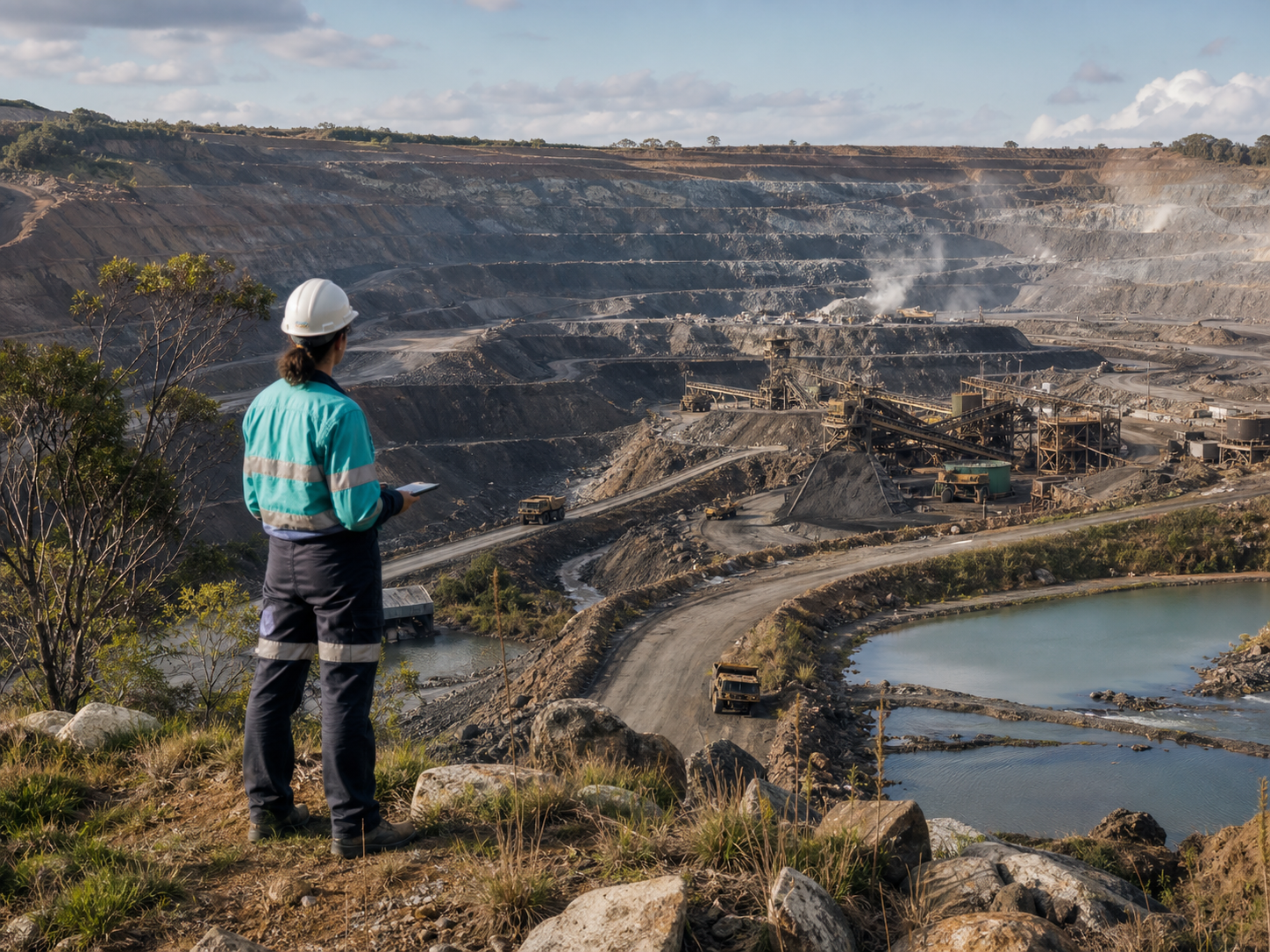
Measure operational emissions, resource use, nature-related dependencies and community indicators across mines, processing sites and material supply chains.
- Calculate combustion, process and fugitive emissions transparently
- Monitor water, biodiversity and site-specific ESG performance
- Stress-test assets and supply chains for physical and transition risk
Control complex emissions
Preserve factor provenance and assumptions for material-specific calculations.
Manage nature dependencies
Identify water and ecosystem pressures that could affect operations and communities.
Support licence to operate
Demonstrate impacts, controls and progress using consistent, traceable evidence.
Advanced inventories
Model combustion, process, fugitive and value-chain emissions.
Site-level governance
Centralize health, safety, labour, water and community indicators.
Asset and nature insight
Assess hazards, transition drivers, dependencies and impacts.
Consumer Goods & Retail
Turn product and supplier data into credible progress.
Connect stores, facilities, products and suppliers to understand lifecycle impacts, engage the value chain and support defensible sustainability claims.
- Find Scope 3 hotspots across purchased goods, logistics and product use
- Collect and validate supplier data at scale
- Track operational performance across stores, brands and regions

Focus supplier engagement
Prioritize vendors using impact, spend, data quality and improvement potential.
Improve product decisions
Compare lifecycle hotspots to guide sourcing, design and packaging choices.
Support credible claims
Link reported progress to calculation methods, source data and approvals.
Product and Scope 3 insight
Measure value-chain emissions and lifecycle contribution.
Supplier engagement
Run assessments, validation, benchmarking and corrective actions.
Supply-chain resilience
Assess disruption, sourcing dependencies and material risks.
Agriculture
Build more resilient farms and supply chains.
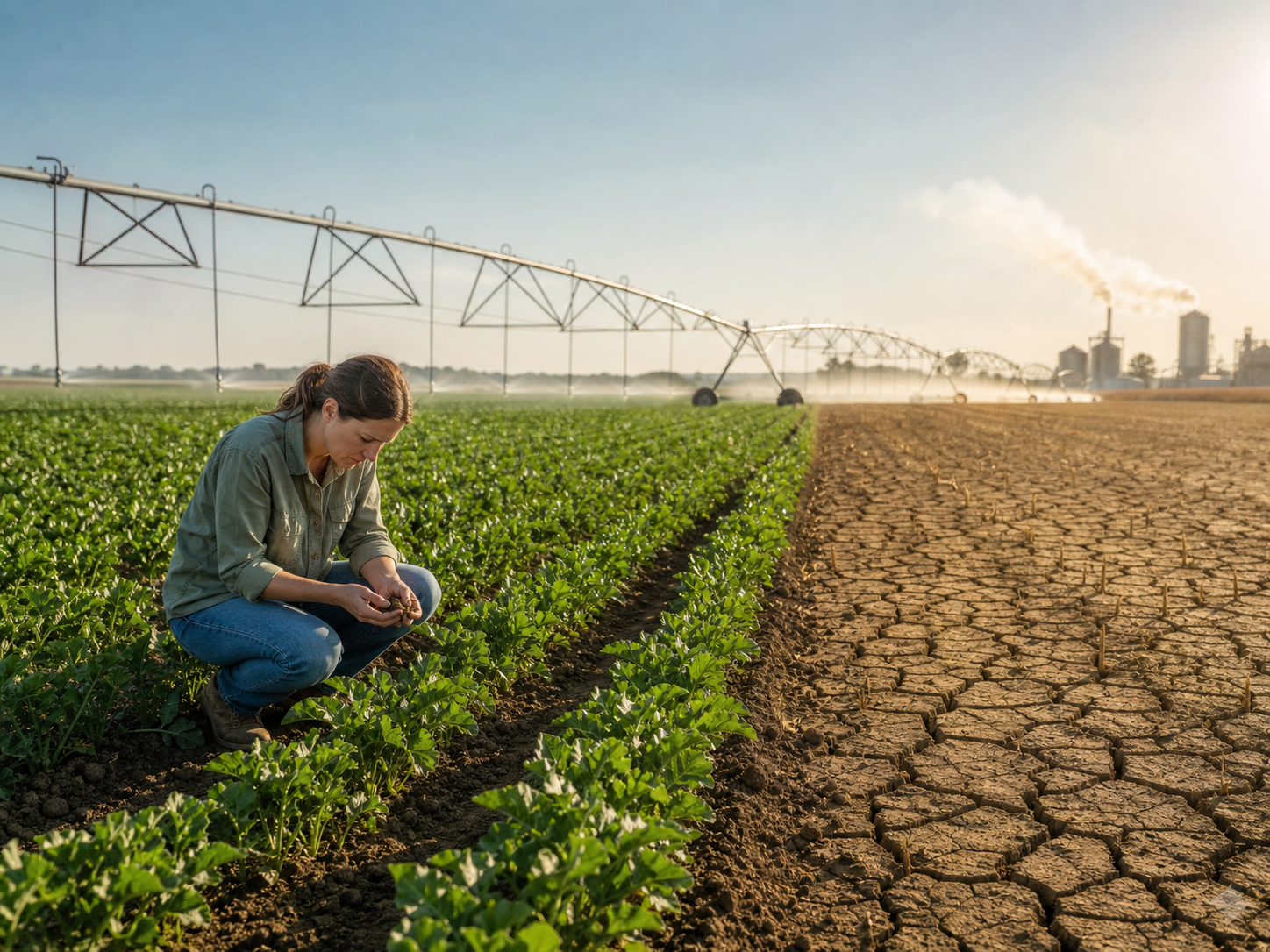
Combine geospatial, operational and supplier data to understand emissions, nature impacts and extreme-weather exposure across agricultural sourcing networks.
- Map drought, flood, heat and wildfire exposure across sourcing regions
- Measure farm-to-market emissions, water use and ecological impacts
- Prioritize interventions that improve resilience and data quality
Protect supply continuity
Identify vulnerable regions and commodities before risks become disruptions.
Target resilient practices
Direct engagement and investment to the farms and interventions with greatest need.
Evidence environmental outcomes
Track emissions, water and nature indicators from source through reporting.
Farm-to-market carbon
Measure land, input, processing and distribution emissions.
Distributed data collection
Gather and validate farm, processor and supplier evidence.
Weather and nature insight
Assess hazards, dependencies, impacts and resilience options.
Transportation & Logistics
Decarbonize the network without compromising reliability.
Bring fleet, facility, carrier and route data together to plan transitions, manage disruption and provide credible information to customers and stakeholders.
- Measure fleet, facility and value-chain emissions consistently
- Compare electrification and alternative-fuel pathways
- Assess hubs and corridors for physical climate disruption

Plan fleet transition
Compare emissions, cost and operational implications across vehicle pathways.
Protect network reliability
Identify exposed hubs, routes and dependencies and prioritize adaptation.
Improve carrier accountability
Track data quality, performance and actions across transport partners.
Fleet and freight emissions
Measure fuels, facilities, purchased transport and logistics activity.
Carrier performance
Collect evidence and monitor vendors against relevant metrics.
Network disruption
Quantify exposure and resilience across hubs and corridors.
Chemicals & Pharma
Connect process impacts, supply risk and compliance evidence.
Measure sector-specific emissions, govern supplier and facility indicators, and evaluate disruption across plants, cold chains and critical material inputs.
- Capture combustion, process, solvent, refrigerant and nitrous oxide emissions
- Assess product and facility hotspots using transparent data
- Monitor critical suppliers and physical-risk dependencies

Control process emissions
Apply consistent methods across products, production lines and facilities.
Protect critical supply
Identify vulnerable inputs, suppliers, plants and temperature-controlled networks.
Strengthen reporting evidence
Maintain governed metrics, source records and approvals for disclosures.
Sector-specific calculations
Measure energy, process, solvent and refrigerant emissions.
Facility and supplier controls
Track environmental, safety, sourcing and product indicators.
Critical dependency risk
Assess plants, cold chains and material inputs under future scenarios.
Technology & Services
Scale digital growth with environmental intelligence.
Connect data-centre energy, offices, travel, procurement and supplier performance to manage carbon, resource efficiency and operational resilience.
- Track energy and emissions across data centres and global operations
- Measure Scope 3 hotspots in purchased goods, cloud services and travel
- Assess facility and workforce exposure to physical climate hazards

Improve infrastructure efficiency
Compare energy, water and emissions performance across data centres and offices.
Manage Scope 3 growth
Find material suppliers, services and travel categories and improve primary data.
Strengthen operational resilience
Assess facility, workforce and service continuity under physical hazards.
Digital operations carbon
Measure data-centre, office, travel and purchased-service emissions.
Enterprise reporting
Collect distributed metrics and automate governed reporting workflows.
Operational resilience
Evaluate facilities, workforce and critical-service dependencies.
.avif)
.avif)
.avif)
.avif)
.avif)
.avif)
.avif)
.avif)
.avif)
Connect
Bring facility, finance, supplier and geospatial data into one governed foundation.
Quantify
Calculate emissions, ESG performance and risk using transparent methods.
Prioritize
Rank hotspots, exposures and interventions by materiality and business impact.
Act
Assign targets, adaptation measures and corrective actions to accountable teams.
Report
Produce decision-ready dashboards and disclosures supported by traceable evidence.




